


The global economy is one of those things that affects your life every single day, whether you pay attention to it or not.
From the price of your morning coffee to the value of your retirement savings, global markets influence everything.
Yet, for most people, the global economy feels abstract and distant—something only economists or investors need to worry about. The truth is, the more you understand how it works, the more prepared you are to navigate its ups and downs.
The challenge is that the global economy is massive and complex. It’s made up of countless moving parts—trade, finance, technology, politics—that all interact in ways that aren’t always obvious.
But digging a little deeper reveals fascinating facts that explain why the system works the way it does. These aren’t just academic curiosities; they help you see the bigger picture and make smarter financial decisions.
The good news is, you don’t need a degree in economics to appreciate these insights. By learning a few surprising things about the global economy, you’ll gain a new perspective on how money flows worldwide and how it impacts you personally.
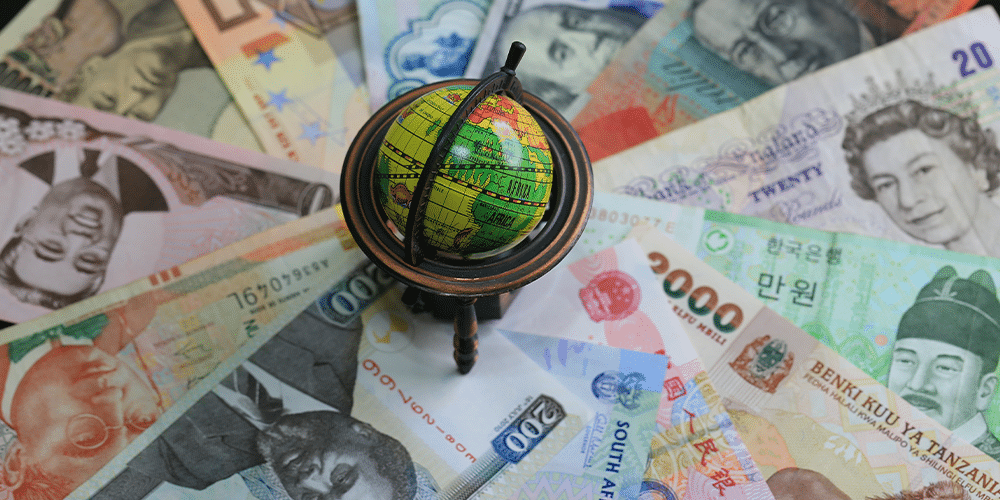
11 Things You Didn’t Know About the Global Economy
The global economy is full of hidden details that shape our daily lives in ways most people never realize. Here are eleven things you probably didn’t know, but definitely should, about how the world’s financial system really works.
1. The Global Economy Is More Interconnected Than Ever
In today’s world, a small event in one country can ripple across the globe in a matter of hours. A factory shutdown in Asia can lead to higher prices in American stores, and a drought in South America can affect food supplies worldwide.
This interconnectedness is called globalization, and while it creates opportunities for growth, it also makes the world more vulnerable to shocks. For consumers, it explains why something happening thousands of miles away can suddenly make everyday goods more expensive at home.
2. The U.S. Dollar Dominates Global Trade
The U.S. dollar isn’t just America’s currency—it’s the world’s currency. Roughly 60% of global reserves are held in dollars, and most international trade is conducted using it. This gives the U.S. enormous influence in global markets and makes the dollar a safe haven during times of crisis.
For consumers, this dominance means fluctuations in the dollar’s value affect everything from travel costs to imported goods. A stronger dollar makes foreign goods cheaper but can hurt U.S. exports, while a weaker dollar does the opposite.
3. Emerging Markets Drive Global Growth
While developed countries like the U.S. and those in Europe dominate headlines, much of the world’s economic growth now comes from emerging markets such as China, India, and Brazil. These countries are expanding rapidly thanks to younger populations, growing middle classes, and increased industrial activity.
This matters because their growth creates new opportunities and challenges for global trade. For example, demand for energy and resources often spikes as emerging economies expand, which can affect global prices.
4. Central Banks Quietly Shape Your Everyday Life
Institutions like the Federal Reserve, the European Central Bank, and the Bank of Japan may seem far removed from your life, but their policies affect everything from mortgage rates to job availability. By raising or lowering interest rates, they influence spending, saving, and investing across the globe.
Even if you’ve never thought about central banks, the truth is their decisions shape your financial reality in ways you might not even notice.
5. Supply Chains Are Global—and Fragile
The products you buy often have parts made in multiple countries before they ever reach you. A smartphone, for example, may be designed in the U.S., use chips made in Taiwan, be assembled in China, and then shipped worldwide.
This global supply chain keeps costs low but also creates vulnerabilities. Events like natural disasters, trade wars, or pandemics can disrupt the chain and cause shortages or higher prices.
Understanding this helps explain why sometimes store shelves are empty or why everyday products suddenly cost more.
6. Technology Is Reshaping the Economy
From online banking to cryptocurrency and artificial intelligence, technology is transforming how the global economy works. Digital payments are now the norm in many countries, and automation is changing industries worldwide.
While this creates efficiency and opportunities, it also disrupts jobs and challenges traditional systems. For consumers, it means adapting to rapid changes in how we work, spend, and save.
7. Inequality Is a Global Challenge
Wealth and income gaps aren’t just issues in individual countries—they’re global. A small percentage of people hold the majority of the world’s wealth, while billions struggle to meet basic needs.
This inequality affects global stability, trade, and even politics. It’s one of the reasons why conversations about fair trade, labor rights, and sustainable development are becoming increasingly important.
8. Trade Wars Impact Everyday Prices
When countries impose tariffs or trade restrictions, it doesn’t just affect governments or big companies—it trickles down to consumers. For example, if tariffs are placed on imported steel, the cost of cars, appliances, and even housing materials may rise.
Trade disputes between major economies can lead to higher prices, reduced availability of goods, and even job losses in industries that depend on imports or exports.
9. Demographics Drive Economic Trends
The age and size of populations play a huge role in shaping the global economy. Countries with younger populations, like India, often see rapid growth because of a large workforce. Countries with aging populations, like Japan, may struggle with slower growth and higher healthcare costs.
For consumers, demographic shifts explain why certain industries—like healthcare, education, or technology—rise or fall in importance over time.
10. Climate Change Has Economic Consequences
Climate change isn’t just an environmental issue—it’s an economic one. Extreme weather events, rising sea levels, and changing agricultural patterns all impact production, trade, and costs.
For example, a drought can drive up food prices worldwide, and severe storms can disrupt supply chains. Transitioning to renewable energy and sustainable practices also brings both costs and opportunities for the global economy.
11. Your Personal Finances Are Linked to the Global Economy
It might not always feel like it, but your daily financial decisions are influenced by the global economy. Mortgage rates, gas prices, the value of your investments, even the job market—all are tied to global trends.
This doesn’t mean you need to obsess over every report, but being aware of the connections helps you make smarter choices. Watching indicators like inflation, interest rates, and global events can give you an edge in managing your money wisely.
Conclusion
The global economy may seem distant and complex, but it has a direct impact on your life. From the dominance of the U.S. dollar to the fragility of supply chains and the influence of demographics, these factors shape the prices you pay, the jobs available, and the opportunities you have.
By understanding these eleven things, you gain a clearer perspective on how the world works and how you can adapt. The global economy is interconnected, constantly evolving, and full of challenges—but also full of opportunities. Paying attention to it isn’t just smart, it’s essential for building a secure financial future.
See more:

 10 Strategies for Adapting to Price Fluctuations in Your Local Market
  8 Smart Ways to Shop Smarter and Save More Cash