


A balanced portfolio is the foundation of long-term financial security. It protects you from unnecessary risk, spreads your exposure across different types of assets, and gives your money multiple opportunities to grow.
Building balance doesn’t mean eliminating risk—it means managing it intelligently. And the more intentional you are with your strategy, the more predictable your financial outcomes become over time.
Many people think that creating a balanced portfolio is something only professionals do, but in reality, anyone can achieve it with a mix of thoughtful choices and consistency.
The key is understanding how different investments behave, how they complement one another, and how they create stability even when the market gets shaky. When your portfolio is diversified, one weak area can be offset by several strong ones.
Whether you’re building your first investment plan or refining a portfolio that already exists, the goal is the same: growth with resilience. These 14 investment ideas can help you create a strong foundation—one that adapts, protects, and compounds steadily over time.
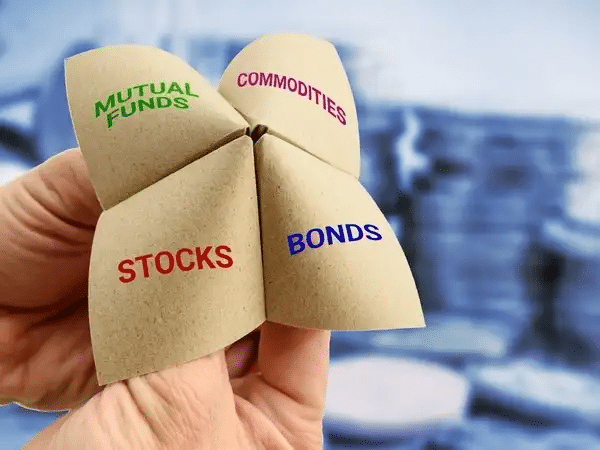
14 Investment Ideas for a Balanced Portfolio
Before diving into the list, it’s important to remember that no single investment type should carry all the weight. Each idea below plays a different role, contributing to stability, income, or long-term appreciation. The true power lies in combining these pieces strategically.
1. Broad Market Index Funds
Index funds are one of the simplest and most reliable ways to diversify instantly. Instead of picking individual stocks, you invest in an entire market index—like the S&P 500—which spreads your risk across hundreds of companies. These funds tend to be low-cost, stable, and historically strong performers. They provide automatic diversification and reduce the emotional stress of making constant investment decisions, making them an ideal core holding for any balanced portfolio.
2. Dividend-Paying Stocks
Dividend stocks offer a blend of income and long-term appreciation. These companies distribute a portion of their earnings back to shareholders, which creates passive income that can be reinvested to accelerate growth. Dividend-paying companies are often established, stable businesses with consistent track records. Including them in your portfolio adds a steady cash flow and cushions market volatility in down periods.
3. Bonds and Bond ETFs
Bonds bring stability to your portfolio by acting as a counterbalance to stock market fluctuations. They typically provide lower returns than stocks but offer steady, predictable income. Bond ETFs make it even easier to diversify by spreading your investment across multiple issuers and maturity dates. Adding bonds to your portfolio reduces overall risk and creates a more stable performance curve over time.
4. Real Estate Investment Trusts (REITs)
REITs allow you to invest in real estate without buying physical property. They own income-producing assets—like apartments, offices, hotels, and shopping centers—and distribute earnings through dividends. REITs help diversify your portfolio beyond stocks and bonds and offer one of the highest potential income streams among traditional investments. They’re particularly useful for investors seeking diversification through tangible, long-term assets.
5. Exchange-Traded Funds (ETFs)
ETFs are incredibly flexible: they track markets, sectors, commodities, themes, or even specific strategies. You can build a very personalized portfolio using ETFs because they offer everything from broad diversification to targeted exposure. They’re affordable, liquid, and easy to manage. Using ETFs strategically allows you to diversify across investment styles, industries, and regions in a simple, efficient way.
6. International Stocks
International investments diversify your portfolio beyond your home country’s economic performance. They expose you to emerging markets with high growth potential and to developed economies that behave differently than the U.S. market. Adding international stocks reduces the risk of being overly dependent on a single market and gives your portfolio access to global innovation and expansion.
7. Treasury Securities
Treasury bonds, bills, and notes are among the safest investments available. They’re backed by the U.S. government and provide reliable, low-risk returns. While their earnings may not be as high as other investments, Treasuries act as a stabilizer—protecting your portfolio during market downturns and offering consistent yield. Including them improves safety and predictability, especially during uncertain economic cycles.
8. High-Yield Savings or Money Market Accounts
These accounts won’t make you rich, but they offer liquidity and risk-free returns. They’re excellent for your emergency fund or for holding cash you’re not ready to invest yet. Having part of your portfolio in liquid, interest-earning accounts ensures you can cover unexpected expenses without disrupting your long-term investments. This stability indirectly strengthens your portfolio’s overall health.
9. Precious Metals (Gold, Silver)
Precious metals often perform well during inflation or economic instability. They act as a hedge when stock markets decline or when currencies weaken. Adding gold, silver, or metal ETFs provides diversification that isn’t tied to traditional financial markets. While they shouldn’t dominate your portfolio, a small allocation can help protect overall value in turbulent times.
10. Sector-Specific ETFs
If you want targeted exposure without picking individual stocks, sector ETFs are ideal. Whether it’s technology, healthcare, energy, or consumer goods, these funds allow you to participate in the growth of dynamic industries. They add strategic depth to your portfolio by letting you tilt toward sectors you believe will outperform while still maintaining diversification.
11. Growth Stocks
Growth stocks are companies with high expansion potential—often in technology, innovation, or emerging industries. They typically reinvest profits instead of paying dividends, focusing on rapid growth. While growth stocks come with higher volatility, they can meaningfully boost long-term portfolio performance when balanced with more stable assets. They’re a powerful addition for investors seeking long-term appreciation.
12. Value Stocks
Value stocks are often undervalued companies with strong fundamentals but temporarily low share prices. They offer opportunities for solid returns when the market eventually adjusts their valuation. Adding value stocks to your portfolio balances the volatility of growth stocks and introduces a more conservative, income-friendly component that performs well in certain economic cycles.
13. Target-Date Retirement Funds
Target-date funds automatically adjust your asset mix as you approach retirement—more aggressive when you’re young and more conservative as you age. They’re perfect for investors who want a hands-off approach while still maintaining a balanced, diversified portfolio. These funds reduce decision fatigue and help maintain the right risk level without constant monitoring.
14. Alternative Investments (Crypto, Startup Funds, Crowdfunding)
Alternative investments add diversification that doesn’t correlate with traditional markets. This could include cryptocurrency, startup crowdfunding, private equity platforms, or peer-to-peer lending. While alternatives come with higher risk, they also offer unique return opportunities. Including a small, controlled allocation can add modern diversification and enhance long-term growth potential when balanced responsibly.
Conclusion
A balanced portfolio isn’t about avoiding risk—it’s about shaping it. These 14 investment ideas work together to strengthen your financial foundation, reduce exposure to market volatility, and create multiple paths for long-term growth. The right mix depends on your goals, risk tolerance, and time horizon, but the principle remains the same: diversification builds resilience.
By thoughtfully combining different types of assets, you give your money room to grow, adapt, and protect itself through every phase of the market. Whether you’re just starting or optimizing your current strategy, these ideas offer the building blocks you need to create a portfolio that truly supports your financial future.
See more:

 13 Simple Ways to Lower Investment Risk
  9 Keys to Investing in Local Ventures Without a Huge Budget
  Financial consultant: do you need one?