


Most people don’t ruin their long-term returns with one giant mistake. It’s usually the small portfolio decisions that look harmless in the moment—tiny tweaks, emotional reactions, “quick fixes,” or copying what someone else is doing.
Over time, those choices compound in the wrong direction, and growth slows down more than you realize.
The tricky part is that many portfolio mistakes feel like “being responsible.” Selling after a scary headline, holding too much cash “just in case,” or constantly switching investments to chase better performance can feel smart.
But in long-term investing, the best outcomes often come from boring discipline: consistent contributions, sensible diversification, low fees, and staying invested.
If you want long-term growth, your goal isn’t to be perfect. It’s to avoid the most common traps that quietly drain performance year after year. Let’s break down the nine portfolio mistakes that hurt long-term growth and what makes them so damaging.
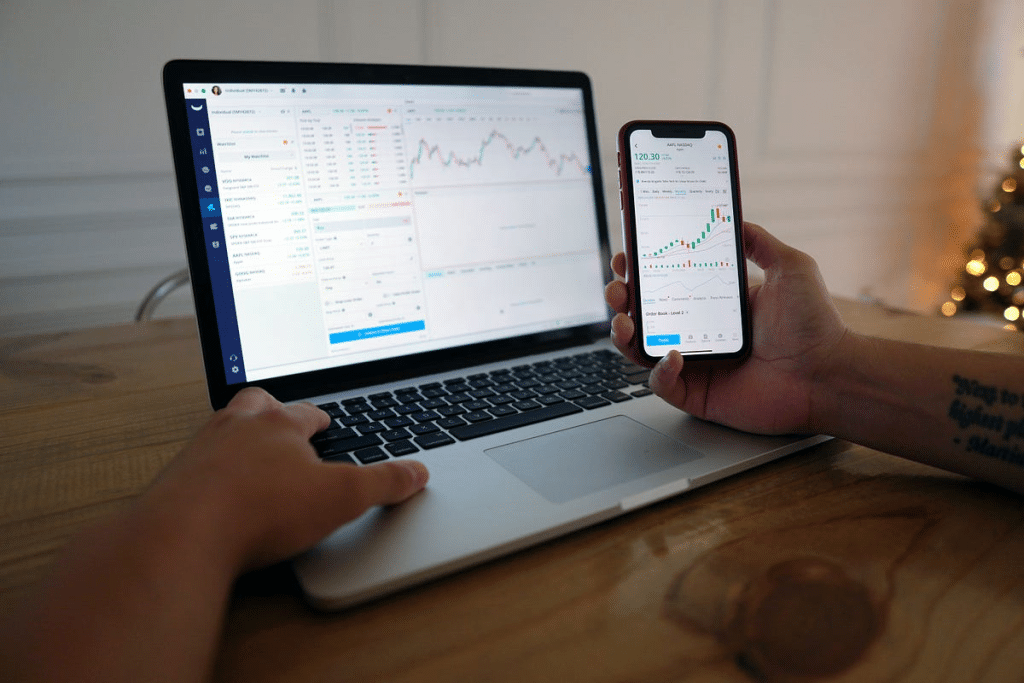
9 Portfolio Mistakes That Hurt Long-Term Growth
Before you look at the mistakes, it helps to remember what a portfolio is supposed to do. A portfolio isn’t meant to “win” every month. It’s meant to support a long-term plan—retirement, wealth building, financial freedom—while managing risk in a way you can emotionally tolerate. When your portfolio is set up correctly, you don’t need to constantly touch it. You adjust it occasionally, but you don’t babysit it daily.
Most portfolio mistakes come from two places: trying to control what you can’t (market behavior) and ignoring what you can (costs, diversification, discipline, and time horizon). The list below focuses on the choices that do real damage over the long run.
1. Chasing Hot Stocks, Funds, or “What’s Working Right Now”
One of the fastest ways to harm long-term growth is building your portfolio based on recent winners. When something has already had an amazing run, it’s tempting to believe it will keep going forever. That’s how people end up buying high—often right before a period of underperformance.
Performance-chasing creates constant churn. You jump from one investment to another, always arriving late. And because markets rotate, what’s winning today may lag tomorrow. You’re not just risking lower returns—you’re training yourself to invest emotionally.
A smarter mindset is to build around long-term exposure, not short-term excitement. If you want growth, you need a portfolio you can hold through cycles, not just a collection of the latest winners.
2. Holding Too Much Cash for Too Long
Keeping some cash is smart for emergencies and short-term goals. But holding a large portion of your portfolio in cash “until the market feels safer” can seriously reduce long-term growth.
Cash feels safe because it doesn’t swing up and down daily, but it carries a quieter threat: inflation. Over time, inflation erodes purchasing power. That means your cash may buy less in the future even if the number in your account stays the same.
If your timeline is long-term, your portfolio needs growth assets. The longer you stay parked in cash, the more you risk missing compounding and market recoveries that often happen when people least expect them.
3. Overconcentrating in One Stock, Sector, or Theme
Concentration can work… until it doesn’t. Putting too much money into one stock, one industry, or one “big theme” increases risk in a way many investors underestimate.
The problem is that concentrated bets often feel justified. If you work in tech, you might invest heavily in tech because it feels familiar. If energy is booming, you might load up on energy. But familiarity isn’t diversification, and booms don’t last forever.
A portfolio built for long-term growth needs balance. Diversification helps you stay invested through downturns because your entire financial future isn’t riding on one narrow bet.
4. Ignoring Asset Allocation and Risk Tolerance
A portfolio isn’t just about what you own—it’s about how much of each type of asset you own. Asset allocation is the engine of long-term performance and the main driver of how your portfolio behaves during volatility.
Many investors accidentally build portfolios that are too aggressive for their personality. Then, when the market drops, they panic-sell. Others go too conservative and end up with slow growth that can’t keep up with their goals.
The best allocation is the one you can stick with during a bad year. If your portfolio gives you constant anxiety, you’ll make emotional moves that hurt long-term growth.
5. Constantly “Tinkering” With Your Portfolio
Small adjustments feel productive, but frequent changes usually reduce results. Every tweak is a decision that can be wrong, and the more decisions you make, the more chances you have to mess up.
Tinkering is often driven by anxiety. People check their accounts too often, get uncomfortable, and try to “fix” normal market movement. But volatility isn’t a problem—it’s part of the process.
A better approach is setting rules: invest on schedule, rebalance on schedule, and review your plan periodically. The less you touch a strong portfolio, the better it often performs.
6. Paying Too Much in Fees Without Realizing It
Fees are one of the few guaranteed drags on returns. The market might go up or down, but investment fees keep charging you regardless. High expense ratios, advisory fees, trading fees, and account costs can quietly siphon off long-term growth.
What makes this mistake so dangerous is that fees don’t feel painful in the moment. You don’t “feel” 1% a year. But compounded over decades, fees can reduce your final portfolio by a shocking amount.
If you want long-term growth, minimizing unnecessary costs is a powerful win. Lower fees don’t guarantee higher returns, but they guarantee you keep more of whatever returns you earn.
7. Skipping Rebalancing or Rebalancing Reactively
Rebalancing is how you keep your portfolio aligned with your risk level. Over time, certain investments grow faster than others, and your portfolio drifts. If you don’t rebalance, you might end up taking more risk than you intended—or you might become too conservative after a downturn.
The other extreme is rebalancing emotionally. Some people panic-rebalance after a drop, selling what’s down and buying what feels “safe.” That locks in losses and reduces future recovery potential.
A smart approach is rebalancing on a simple schedule—like every 6 or 12 months—or when your portfolio drifts beyond a set percentage. That keeps your strategy consistent and removes emotional decision-making.
8. Trying to Time the Market With Big All-In Moves
Market timing usually shows up as dramatic decisions: “I’m out until things calm down,” or “I’m waiting for the crash,” or “I’ll buy back in when I’m sure.” The problem is that markets often recover quickly and unpredictably. Many of the biggest gains happen close to the worst days.
Big all-in moves make long-term growth fragile. If you miss key recovery periods, your returns can lag for years. And the stress of timing often leads to inaction—staying out longer than planned because fear keeps shifting the goalposts.
Long-term growth comes from time in the market, not perfect timing. Systems like consistent contributions and diversified exposure beat guesswork for most investors.
9. Having No Strategy for Taxes and Account Placement
Taxes can quietly reduce your returns—especially if you’re buying and selling frequently in taxable accounts or ignoring tax-advantaged options.
A common mistake is building a portfolio without considering where investments live. Some investments are more tax-efficient than others, and putting the right assets in the right accounts can improve long-term growth without changing your risk level.
Even simple habits help: using tax-advantaged retirement accounts, minimizing unnecessary selling, and being mindful about realized gains. You don’t need complicated tax strategies to improve results—you just need awareness.
Conclusion
Long-term growth isn’t about finding the perfect portfolio. It’s about building a solid plan and avoiding the mistakes that quietly sabotage compounding. Chasing performance, holding too much cash, concentrating too heavily, overtrading, paying high fees, skipping rebalancing, timing the market, and ignoring taxes are all common traps that reduce results over time.
If you fix even a few of these issues, your portfolio becomes stronger and more resilient. You’ll spend less time stressing over short-term movement and more time building real momentum. That’s the real secret: a portfolio that grows well is usually the one you can stick with—calmly, consistently, and for the long haul.
See more:

 10 Borrowing Habits That Protect Your Credit
  12 Signals Your Portfolio Needs Rebalancing
  12 Financial Mindset Changes That Improve Results