


Buying a home is one of the biggest milestones in life, but for many people, the dream of owning a house feels out of reach because of bad credit.
Lenders often view low credit scores as a sign of risk, making it tougher to qualify for a mortgage or locking you into higher interest rates.
But here’s the good news: bad credit doesn’t mean you can’t become a homeowner. It just means you’ll need to be more strategic, patient, and prepared throughout the process.
Many potential buyers underestimate the number of options they actually have when it comes to mortgages with bad credit.
While traditional lenders might be stricter, there are several programs, tactics, and smart moves that can help open the doors to homeownership. With the right approach, you can present yourself as a strong candidate even if your credit score isn’t perfect.
In fact, qualifying for a mortgage with bad credit isn’t just about convincing the bank—it’s also about making sure the loan works for you. You don’t want to put yourself in a situation where the monthly payments become overwhelming. Instead, the goal is to balance your dream of owning a home with financial stability, which is very possible if you take the right steps.
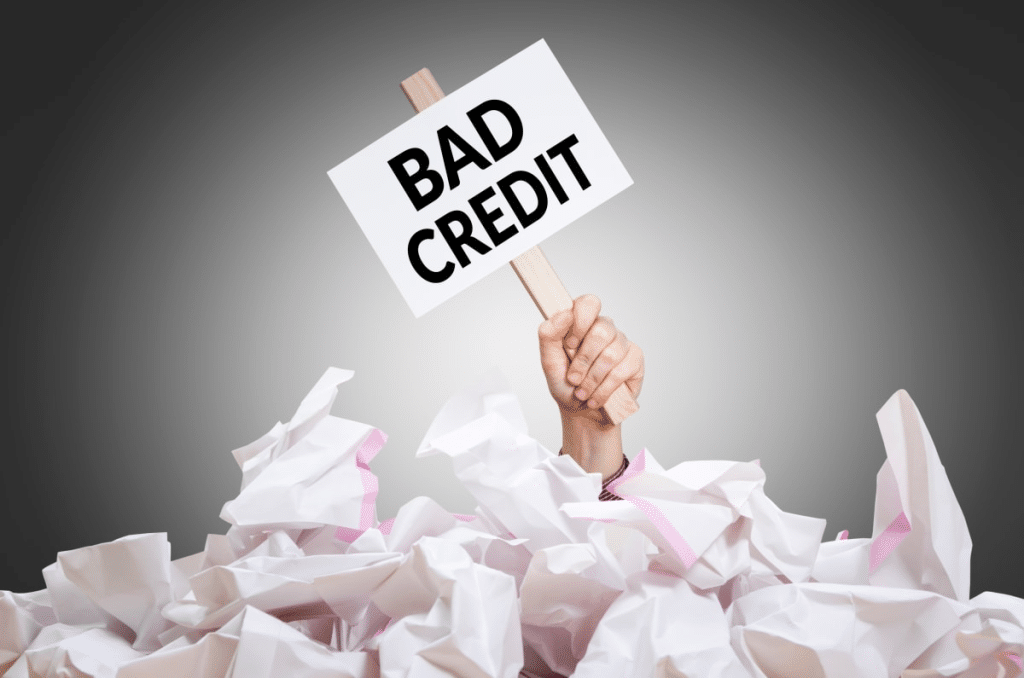
How to Qualify for a Mortgage With Bad Credit
When people hear “bad credit,” many automatically assume they’ll be turned away from the bank. But that’s not always the case. Lenders look at a variety of factors beyond just the number attached to your credit report. By understanding what those factors are, and preparing in advance, you can significantly improve your chances of getting approved.
At the same time, it’s important to realize that qualifying for a mortgage with bad credit requires patience and effort. You may need to work on your credit, save more for a down payment, or explore alternative loan options designed for buyers in your situation. It’s all about making yourself as appealing as possible to lenders while also ensuring you don’t take on a loan that could put you in financial trouble down the road.
Let’s break it down into some of the most practical and effective ways to qualify for a mortgage with bad credit. These steps are designed to give you both confidence and direction as you work toward homeownership.
1. Understand Your Credit Situation
The first step in qualifying for a mortgage with bad credit is knowing exactly where you stand. Many buyers are surprised when they finally check their credit score and see that it’s either higher—or lower—than they thought. Lenders generally look at scores from the three major credit bureaus: Experian, Equifax, and TransUnion. Understanding your credit profile means you’ll know what lenders see when they review your application.
Beyond the score, you should also look closely at your credit report. Errors are more common than people think, and even small mistakes—like an account listed as unpaid when it was actually settled—can drag down your score. By disputing errors, you may be able to boost your score enough to make a difference in your mortgage application.
It’s also smart to identify the areas that are weighing your credit down. Do you have high credit card balances? Missed payments? A past bankruptcy? Knowing the specific reasons will help you figure out what to work on before approaching lenders. Even if you can’t fix everything right away, showing progress can make a positive impression.
2. Explore Government-Backed Loans
If your credit isn’t strong, government-backed mortgages are often the most accessible path to homeownership. Programs like FHA loans, VA loans, and USDA loans are designed to help people who might not qualify for conventional mortgages.
FHA loans, for example, are very popular among buyers with lower credit scores. They typically allow approvals for scores as low as 580 with just a 3.5% down payment, and even those with scores between 500 and 579 may qualify with a larger down payment. VA loans are another fantastic option if you’re a veteran or active-duty service member. They often require no down payment and are more flexible with credit requirements. USDA loans, aimed at rural homebuyers, also have more forgiving credit standards.
These programs exist because the government insures the loan, which reduces the risk for lenders. That’s why banks are more willing to work with applicants who might not meet conventional standards. If your credit is less than perfect, looking into one of these programs could make all the difference.
3. Save for a Larger Down Payment
One of the best ways to offset bad credit is by offering a larger down payment. From a lender’s perspective, the more money you put down upfront, the less risk they take on. That’s because the loan-to-value ratio is lower, and you’re essentially showing commitment to the investment.
For example, if you have bad credit, putting down 20% instead of 3% can make you a much stronger candidate. Not only does it reduce the lender’s risk, but it also means smaller monthly payments for you, which is a win-win situation.
Saving up for a bigger down payment might take time, but it can make the approval process smoother and help you avoid costly private mortgage insurance (PMI). Even if you can’t hit the 20% mark, increasing your down payment by a few percentage points can improve your chances of approval and get you a better rate.
4. Improve Your Debt-to-Income Ratio
Lenders care just as much about your ability to repay the loan as they do about your credit score. That’s why the debt-to-income (DTI) ratio is so important. This ratio compares your monthly debt payments to your monthly income, and keeping it low shows that you have room in your budget for a mortgage.
For example, if you’re already juggling credit card payments, auto loans, and personal loans, a lender may be hesitant to add a mortgage on top. But if you pay off some debts or increase your income, your DTI will improve. Many lenders prefer to see a DTI below 36%, though some programs may accept higher ratios.
Working on your DTI doesn’t just help you get approved—it also helps you protect yourself financially. You want to make sure you’re not stretching your budget too thin, because that can lead to stress and even foreclosure. By lowering your debt, you’ll feel more confident about managing a mortgage.
5. Get a Co-Signer or Consider Joint Applications
Another way to strengthen your application is by bringing in a co-signer with stronger credit. This could be a family member, spouse, or trusted friend who is willing to share responsibility for the loan. From the lender’s point of view, having someone with better credit involved reduces the overall risk, which can lead to approval even if your score is low.
Of course, this is a big responsibility for both parties. If you miss payments, it doesn’t just affect you—it affects the co-signer’s credit as well. That’s why it’s important to have open and honest conversations before going this route.
Joint applications with a spouse or partner can also help if the other person has stronger credit or higher income. Lenders consider both applicants’ profiles, so this can be a way to balance out weaknesses and increase your chances of qualifying.
6. Shop Around and Compare Lenders
Not all lenders treat bad credit the same way. Some banks may be stricter, while credit unions, online lenders, and smaller community banks may be more flexible. That’s why shopping around is so important when you’re dealing with bad credit.
One lender might deny your application, but another could offer approval with slightly higher rates or different conditions. Comparing multiple options allows you to find the best deal for your situation. Don’t just look at the interest rate—also consider fees, closing costs, and flexibility in terms.
It’s also worth noting that some lenders specialize in working with buyers who have less-than-perfect credit. Taking the time to research and apply with the right institutions can make the process smoother and more successful.
7. Show Financial Stability Beyond Credit
Finally, remember that credit is just one piece of the puzzle. Lenders also look at your overall financial stability, and this is where you can shine even if your credit isn’t great. Things like steady employment, consistent income, and a strong savings history can all help paint you as a reliable borrower.
If you’ve been at the same job for several years, highlight that stability. If you’ve built up an emergency fund, let lenders know—it shows that you have a safety net in case of unexpected expenses. Even small signs of financial responsibility can help offset the negative impression of a low credit score.
By focusing on these other factors, you’re giving lenders reasons to trust you beyond just the number on your credit report. This can make all the difference in getting your mortgage approved.
Conclusion
Qualifying for a mortgage with bad credit isn’t easy, but it’s definitely possible with the right strategy.
By understanding your credit, exploring government-backed loans, saving for a bigger down payment, and improving your financial picture, you can make yourself a more attractive borrower.
It’s about playing to your strengths and showing lenders that you’re capable of handling the responsibility of homeownership.
The path might take more time and effort, but the reward—a home you can call your own—is absolutely worth it. With patience, smart planning, and persistence, bad credit doesn’t have to stand in the way of your dream.
See more:

 11 Ways to Align Spending With Financial Goals
  10 Borrowing Rules That Keep Debt Under Control
  9 Portfolio Mistakes That Hurt Long-Term Growth